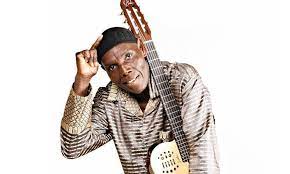
Oliver Mtukudzi –Dished out Music that Gave Life and Hope
By Tapfuma Machakaire
After spending close to four decades as a renowned musician in Zimbabwe, Oliver Mtukudzi gave an interview which defined who he was as opposed to what people thought he was “I am yet to decide on a career to take on, because this is not a career for me. I am just doing me” said Mtukurdzi in a 2016 interview with Forbes Africa. One analyst says this quote highlights his humble and authentic approach to music, emphasizing that it was a part of who he was, rather than just a profession.
His music often touched on social issues, but was it political? Tuku’s songs like “Zimbabwe” and “Wasakara” addressed governance, corruption, and social justice, which sparked debate. He used metaphors and storytelling to convey messages, avoiding direct confrontation. Some saw him as a voice for the people, while others felt he wasn’t vocal enough.
Tuku would say his music was about “giving life and hope” and tackling issues affecting Zimbabweans. He walked a fine line between activism and entertainment, influencing many with his thoughtful lyrics
He defined the role of art as giving hope to the people. “Art is for healing broken hearts. Like in Zimbabwe, you don’t sing a song when you have nothing to say.” A strong proponent of the African culture and tradition, Tuku said “Our culture is not inferior to other cultures. The problem is the people who are twisting cultural and traditional laws to suit their needs of the day.”
Oliver Mtukudzi, affectionately known as “Tuku”, was born on September 22, 1952, in Highfield, Salisbury now Harare. He was the first born in a family of six.
His parents’ love for singing in a church choir sparked his passion for music He dropped out of school at 16 and would be engaged in various odd jobs. Like most aspiring young musicians, Tuku experimented with home-made instruments and managed to buy his first real guitar in 1975 at age 23.
His new acquisition saw him compose and release his first single “Stop After Go”. Shortly after releasing the single, Tuku briefly teamed up with Thomas Mapfumo and James Chimombe in a band then called Wagon Wheel. In 1978, Tuku and his band, the Black Spirits, released the album, Ndipeiwo Zano (May I Have Wisdom} and indeep, wisdom he seemed to have acquired thereafter.
A unique element of Tuku music was the iconic cough which some have said was accidentally incooperated into a song during recording. Regardless of how the cough was crafted, it became part of his identity, with fans and fellow musicians often referencing to it as a distinctive element of his music.It added character and emphasis to his songs.
In interviews, Tuku revealed that the cough was a result of a childhood illness, but he chose to own it and make it part of his unique sound. It has been said that Tuku’s bold move to turn a potential limitation into a strength is a testament to his creativity and innovation.
Tuku’s early influences included American jazz, Zimbabwean traditional music, and South African legends like Hugh Masekela. His unique blend of sounds and soulful voice soon made him a household name. Tuku also borrowed a large part of his music from the Katekwe/Korekore traditional drumming as well as Afro-pop music.
Beginning in the 90’s Tuku had professionally transformed into other fields of the Arts, rendering himself into an individual who could perform in various artistic acrobatics, in film, theatre and drama. In the 2000’s Tuku would frequently feature on the local, regional, continental and international stages including in Europe, Canada and the USA. In 2012, he earned himself a prestigious award of The Goodwill Ambassador for Unicef, for the Eastern and Southern Africa regions. This marked a momentous milestone in his career and was a direct result of his unflinching work as a philanthropist and his contribution to the Aids Awareness campaign.
Tuku crafted a heart-wrenching soundtrack for the 1991 Zimbabwean film “Neria”, weaving poignant melodies that amplify the story’s emotional depth. The movie follows a widow’s harrowing journey navigating the country’s challenging inheritance laws. Tuku’s iconic soundtrack features moving tracks like “Neria”, “Chengetai”, and “Psss Psss Hallo”, elevated the film’s powerful narrative. For his role in the movie,M-Net conferred on Tuku an award for the most outstanding and unsurpassed soundtrack which symbolises the movie Neria..
Oliver Mtukudzi had been blessed with 3 children and two grand children. Two of his children, were to follow in his footsteps Sam and Selmor.Sdaly, Sam, died in a car accident in March 2010.
After Sam’s passing, Tuku channeled his grief into music. The song “(Sama) Sam Mtukudzi” is a heartfelt tribute to his son. Tuku’s emotions were palpable as he sang about his loss and memories with Sam. The song is an example of how Tuku used music to process his emotions and connect with others who have experienced similar pain.
Earlier in 1986, Tuku had faced similar trauma following the death of Jack Sadza, a close friend and his manager, who passed away in a car accident. He wrote the song “Jeri” as a tribute to their friendship
Out of realisation that there was a dire need for a platform to groom, nurture and train young potential artists, Tuku built a multi-cultural center, Pakare Paye Arts Center in Norton, which would train these youths in music, art, drama, film making and other related fields. “Pakare Paye is my legacy, the legacy I am leaving behind for youngsters to get somewhere where they can showcase what they do best”.
Oliver Mtukudzi passed on, on January 23, 2019, and was declared a National Hero. The recognition highlights the significant impact Tuku’s music had on Zimbabwean culture and society.A major celebratory event was held at the National Sports stadium to say goodbye to Tuku the legend.
Related Articles
-

- ZimLegends (accessible via zimlegends1.com and 1zimlegends.com) is Zimbabwe’s first comprehensive Legends online database
-
-